Funded by the European Union · Progetto finanziato dall'Unione Europea


GREENFIT – the second partners’ meeting in Naples
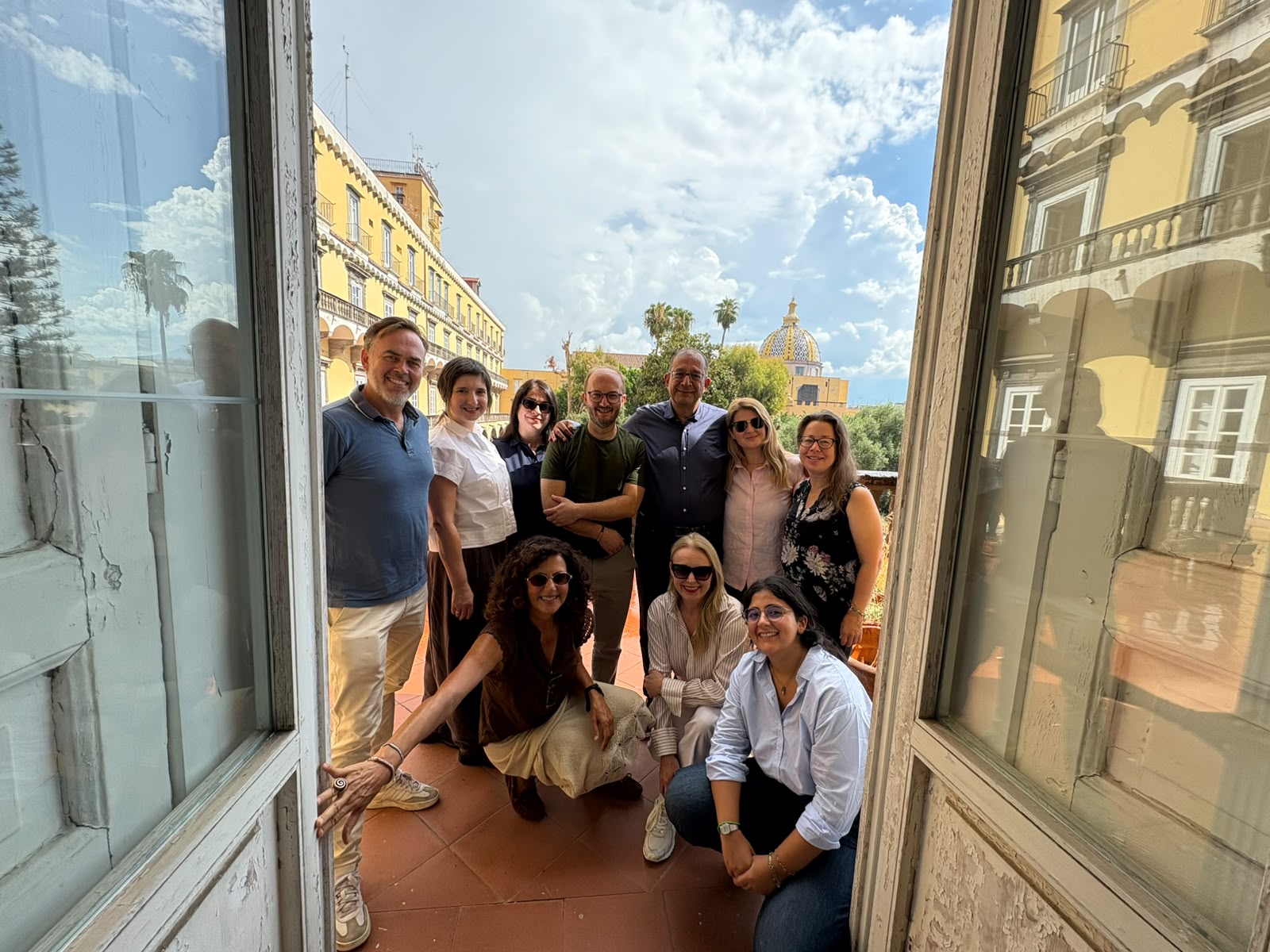
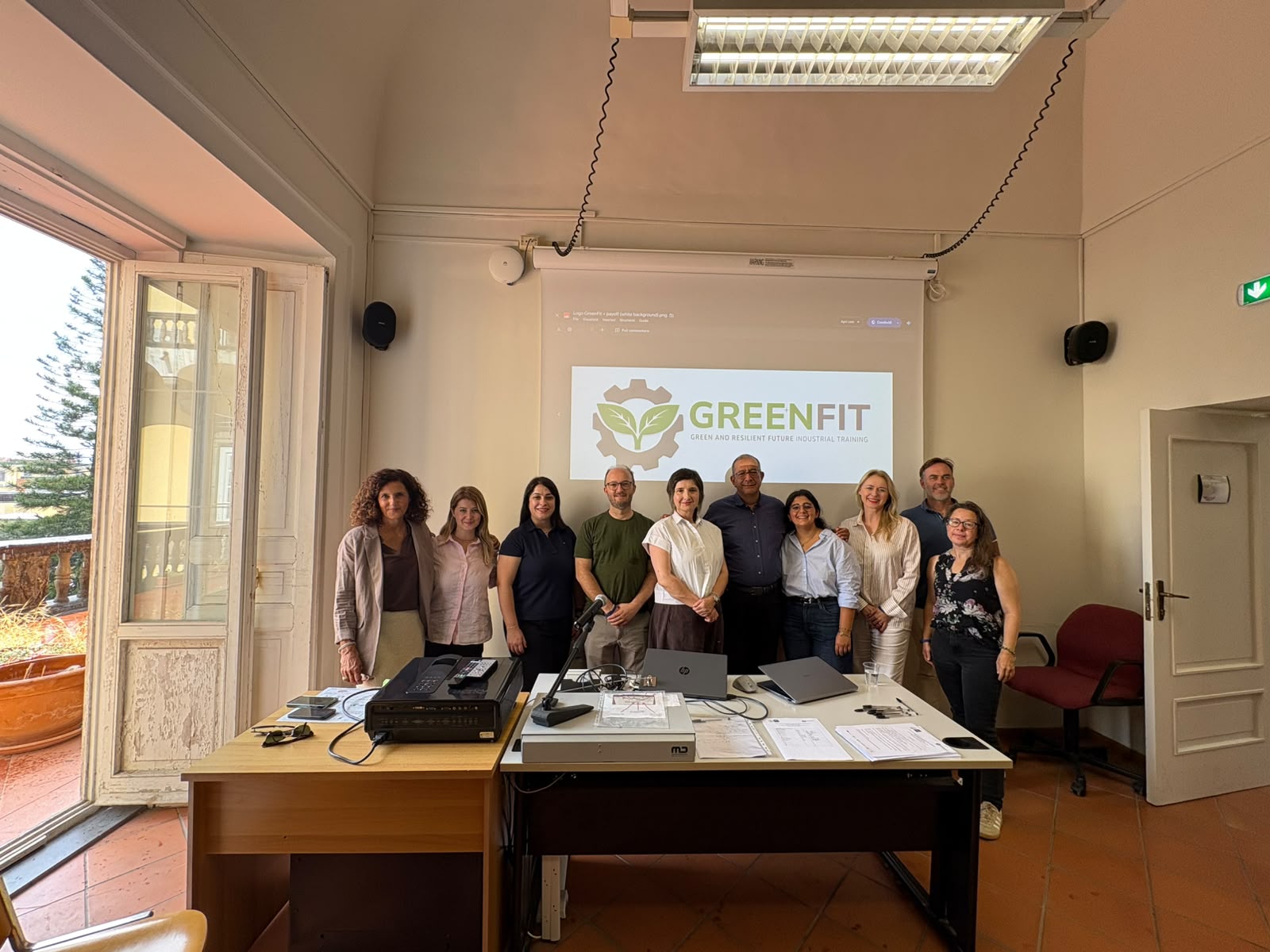
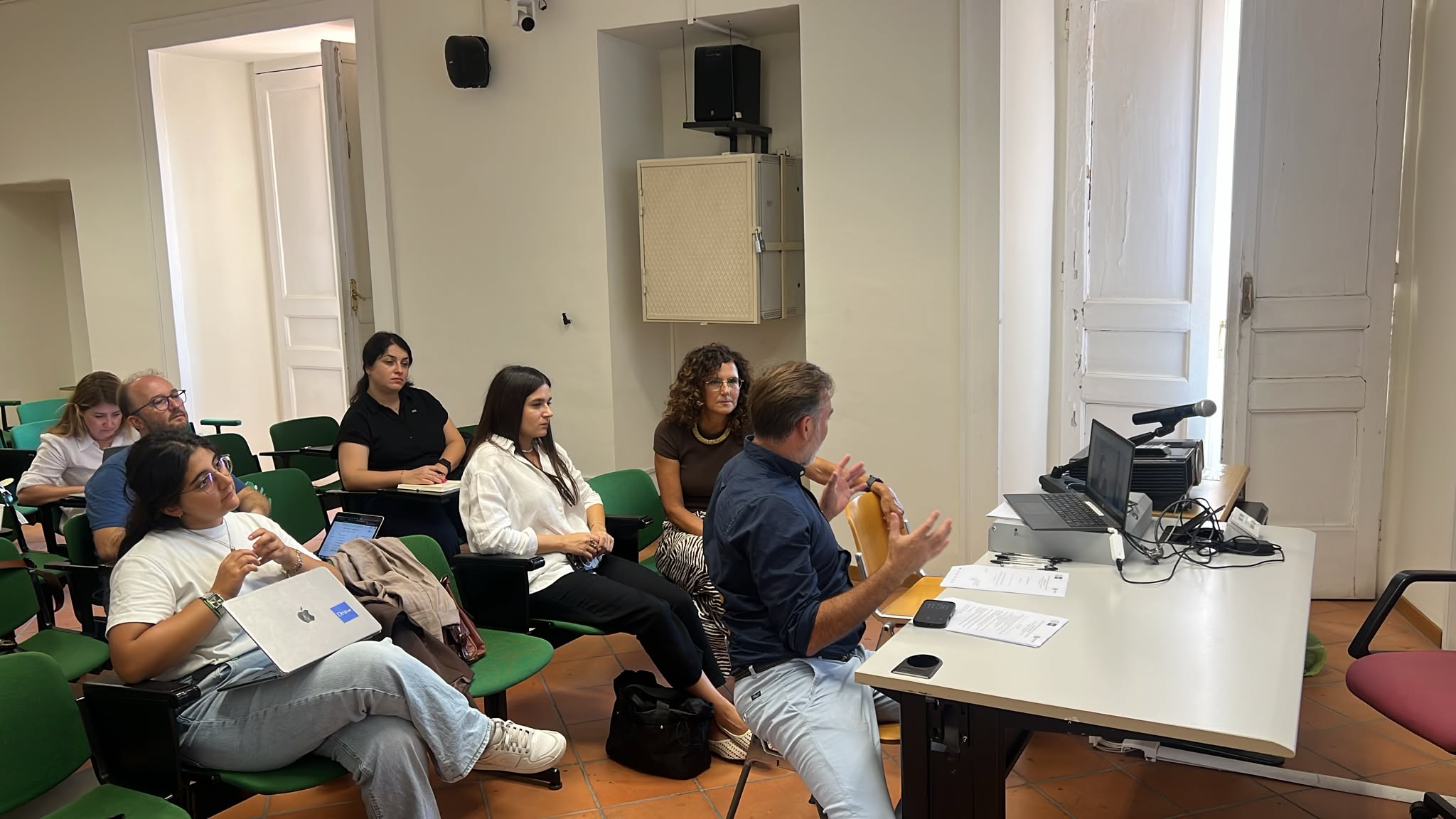
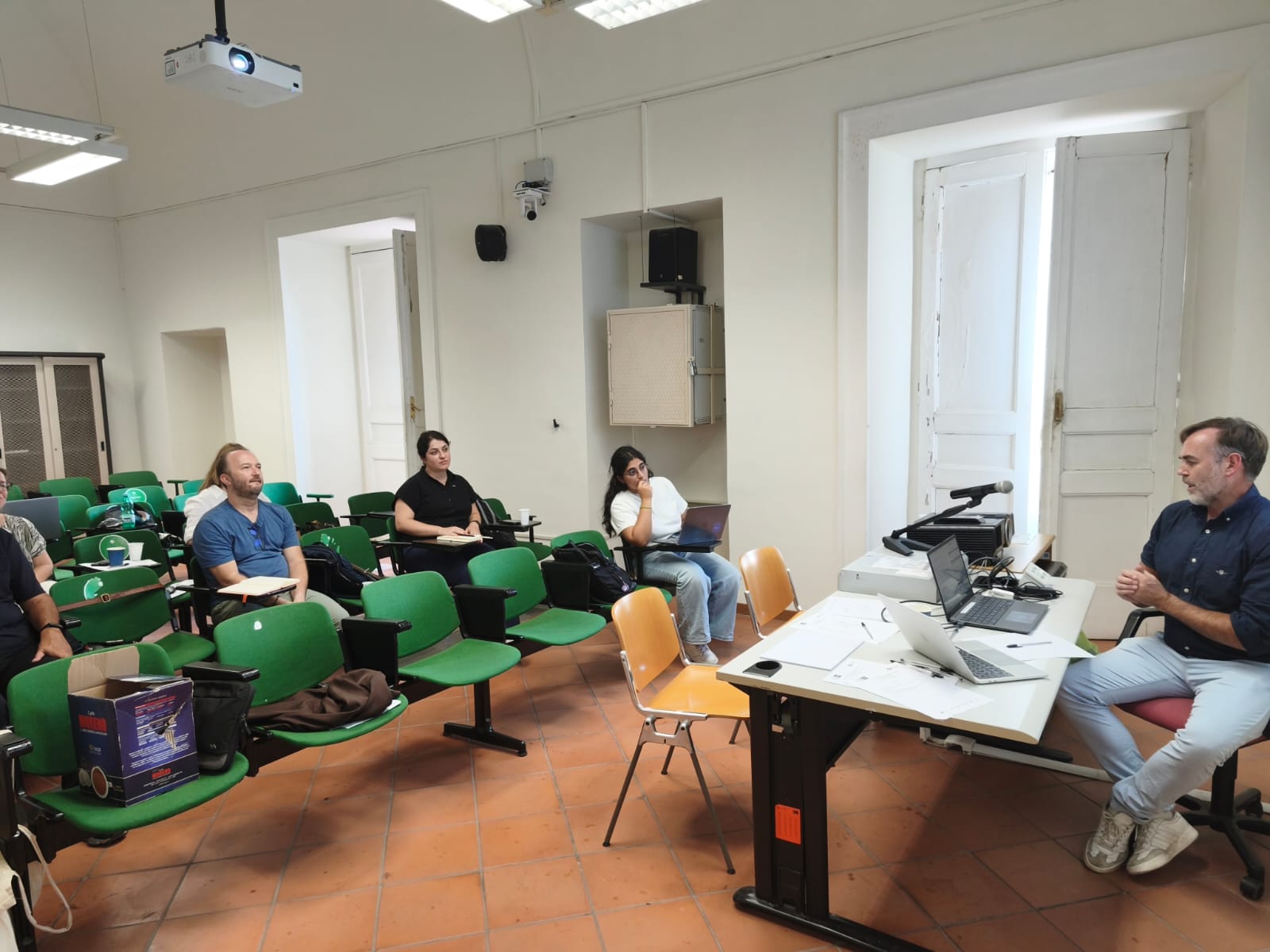
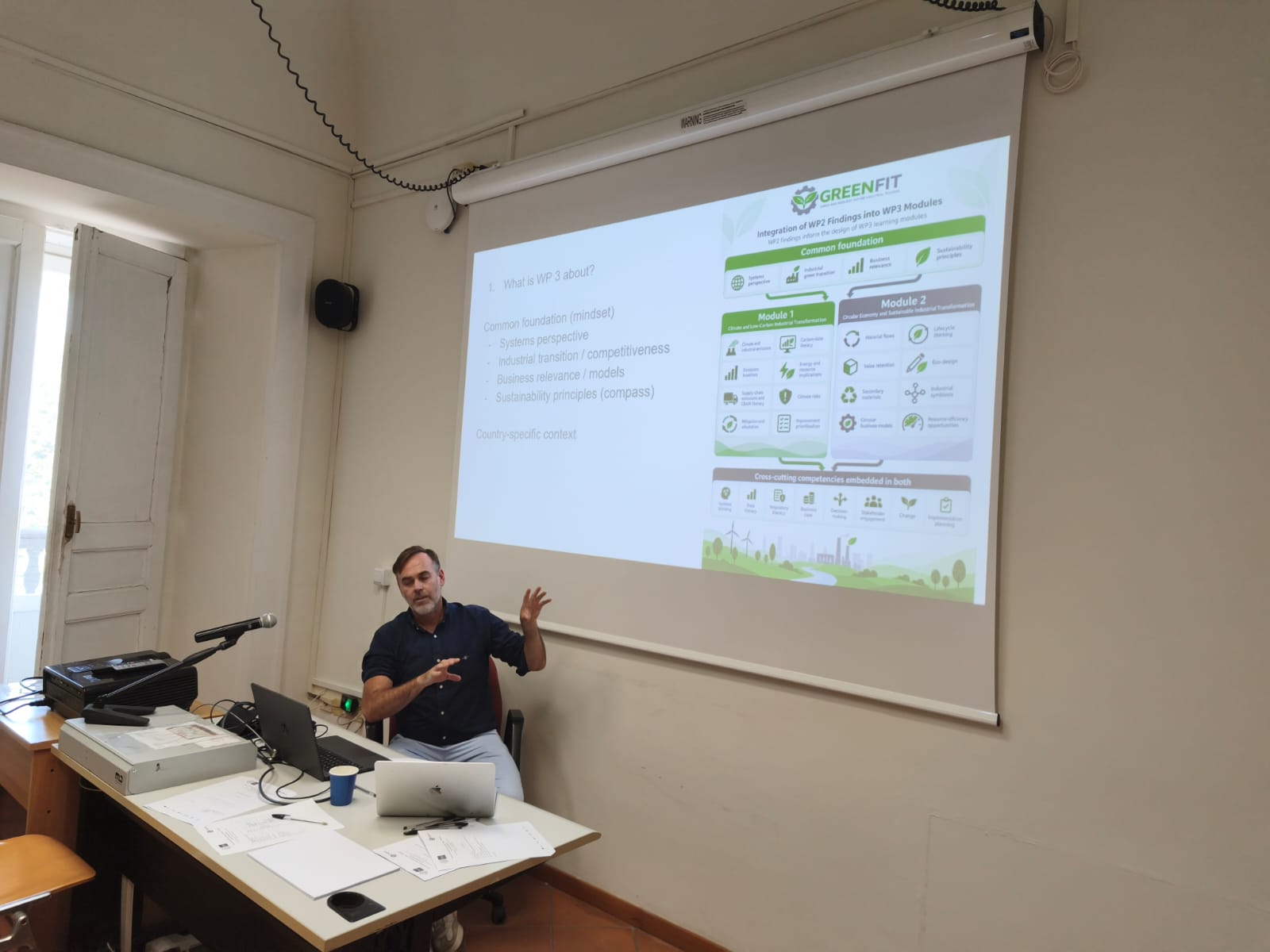
The partners discussed the results of the first phase of the research and the next stages of the GREENFIT project during a project meeting in Naples on 17–18 September 2026.
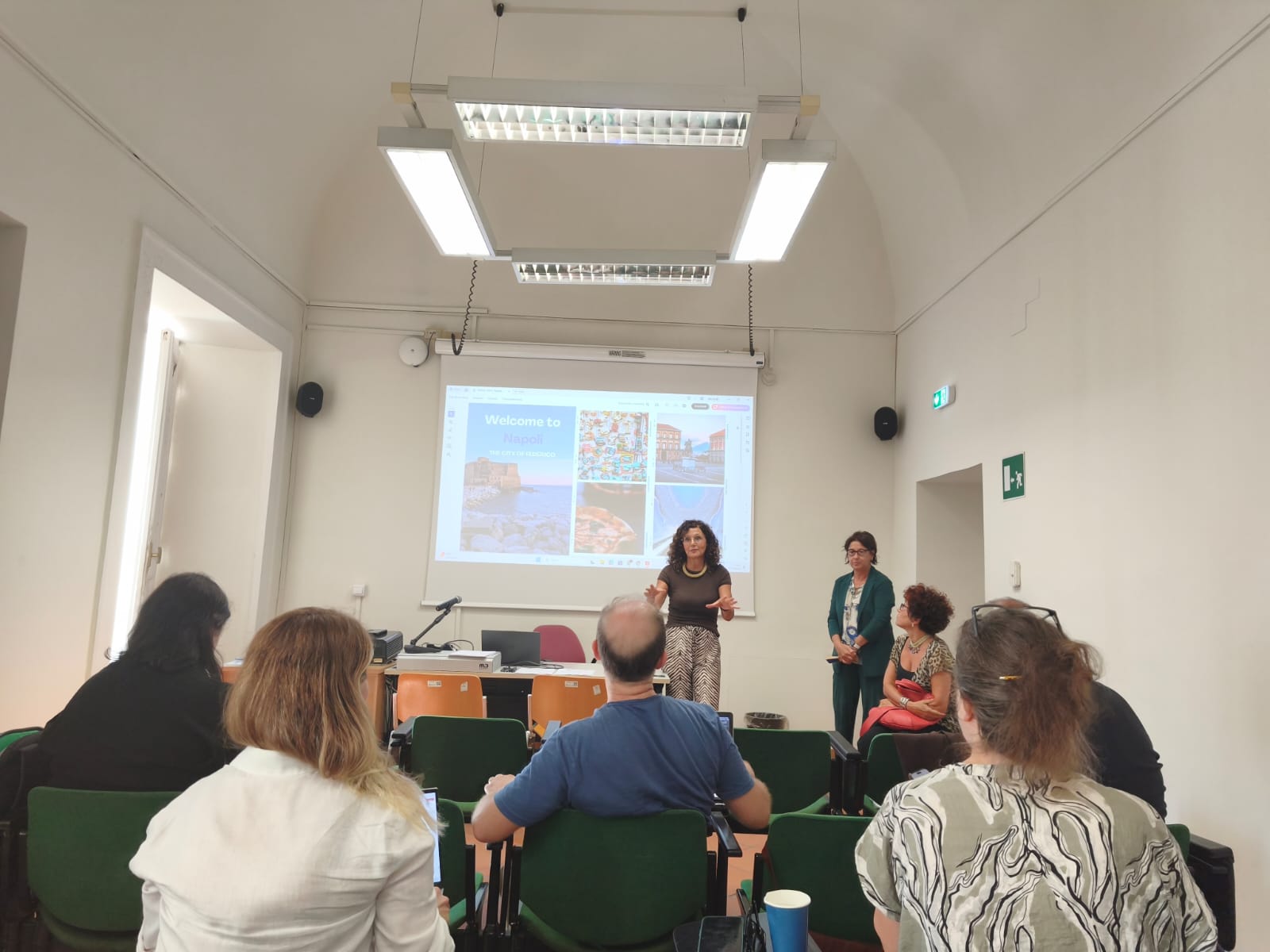
The project meeting took place at the Faculty of Political Science of the University of Naples ‘Federico II’ in Naples and was opened by Valeria Costantino, the Rector’s representative for Erasmus programmes, and Marta Maciocia, Head of the Office for the Erasmus+ Programme and International Mobility. The participants summarised the progress made on the individual work packages.
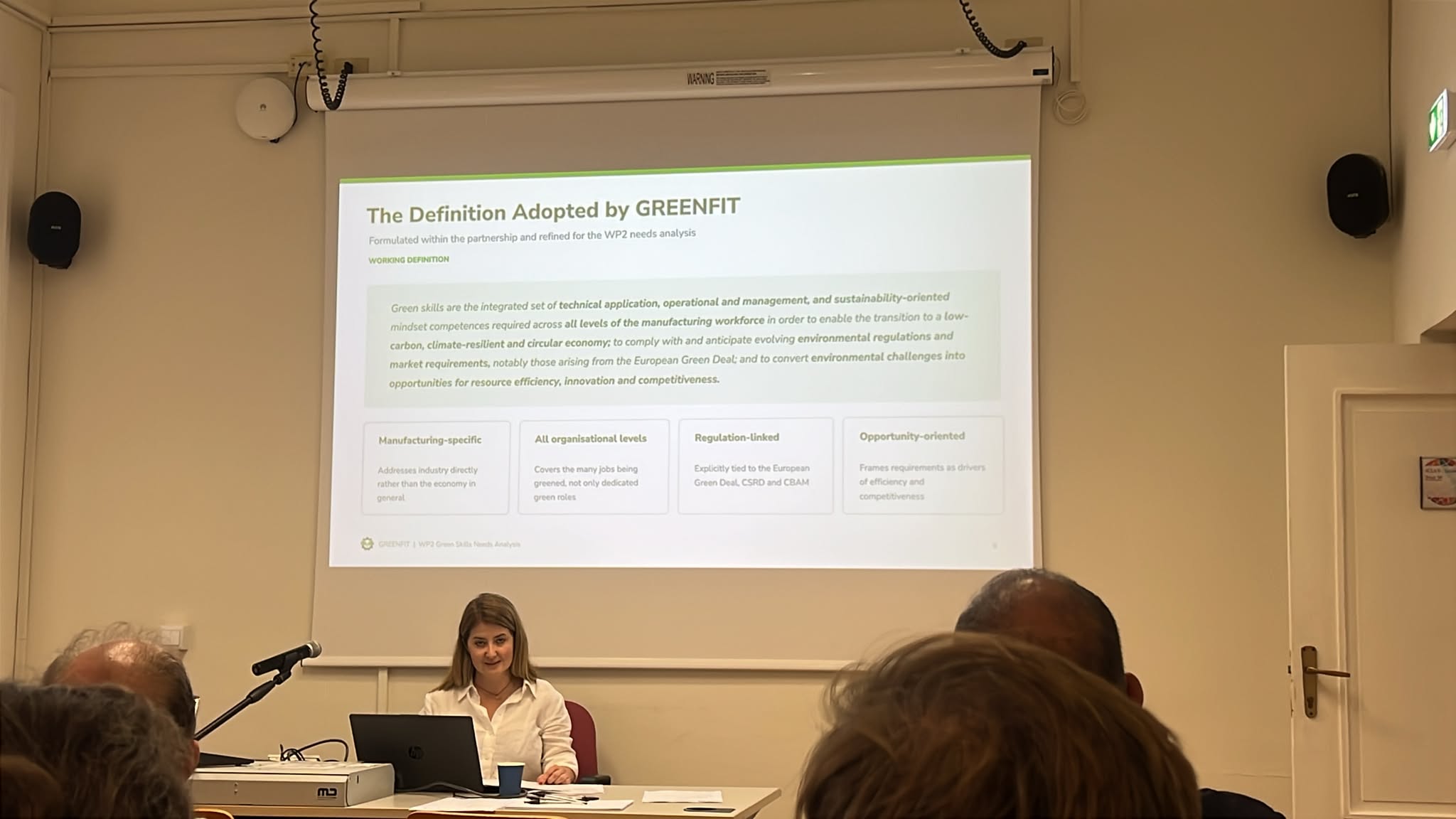
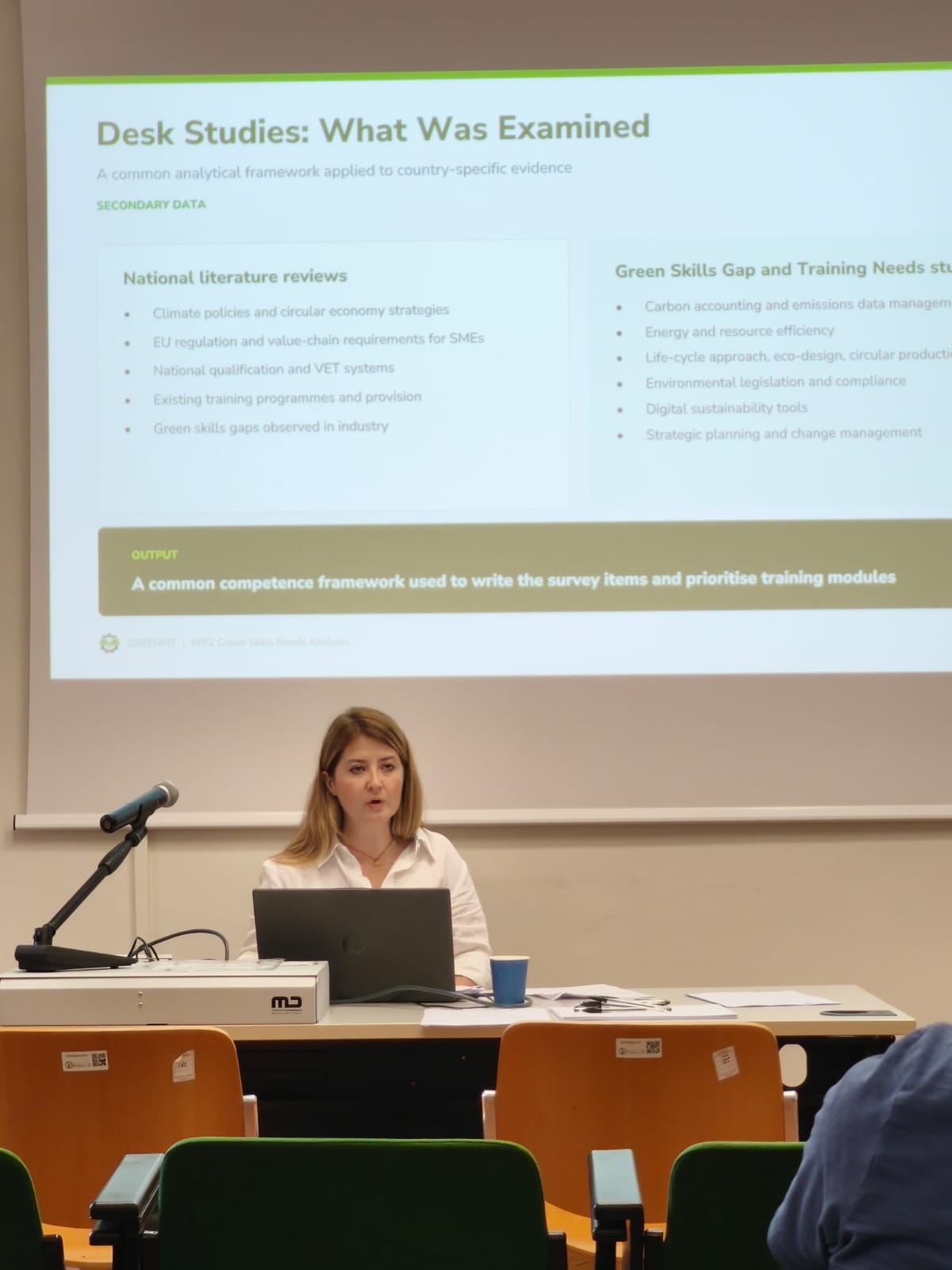
The first stage of the research work is now complete. The project team has prepared a literature review on the understanding of green competences in Poland, Turkey, Italy and Sweden. The common conclusion is that the problem for the green transition is no longer a lack of awareness of climate targets, but rather the difficulty in translating them into measurable actions at company level. In most SMEs, there are no specialised departments or individuals responsible for sustainable development, and tasks in this area fall to a small number of employees.
The most significant common gap appears to be the measurement of carbon footprints, energy and resource consumption, and the management of environmental data. However, awareness within companies varies. 56 per cent of Polish SMEs are familiar with the concept of a carbon footprint, 28 per cent with ESG, and just 19 per cent with the EU Taxonomy. As many as 80 per cent of Polish SMEs do not use renewable energy, whilst 11 per cent have a formal strategy for reducing their carbon footprint (Greenfit, 2026).
We also have the initial results of a survey of students. The survey, conducted between 13 May and 22 June 2026, involved 247 students (from UG, METU and UNINA). The results reveal a clear gap between general awareness and practical skills. Students have a fairly good understanding of industry’s impact on the climate, but 61 per cent report having no or limited knowledge of methods for calculating a carbon footprint, whilst 59 per cent report having no or limited knowledge of life cycle assessment (LCA).
More than half of those surveyed (51 per cent) believe that their current degree programme does not prepare them for the demands of the green industrial transition, whilst 71 per cent have so far taken no more than one module on sustainability issues. At the same time, half of the students (50 per cent) see technical green skills as an asset in the labour market.
Next on the agenda is a survey of business leaders and the key task of preparing content for the training modules (climate change and the circular economy), so that we can launch the training in the form of MOOCs in the next phase.
During the meeting in Naples, particular attention was paid to the further development of the so-called Sustainability Framework, a competency framework that will be used to identify skills gaps and will directly inform the content of the training modules. It is based on three interrelated dimensions. The first is technical competences: emissions accounting, life-cycle assessment, energy and resource efficiency, eco-design and digital environmental monitoring. The second is operational and managerial competences: knowledge of regulations, environmental indicators, sustainable procurement and supply chains, transition planning and change management. The third is a focus on sustainable development: systems thinking, collaboration and communication, and a willingness to engage in continuous learning.
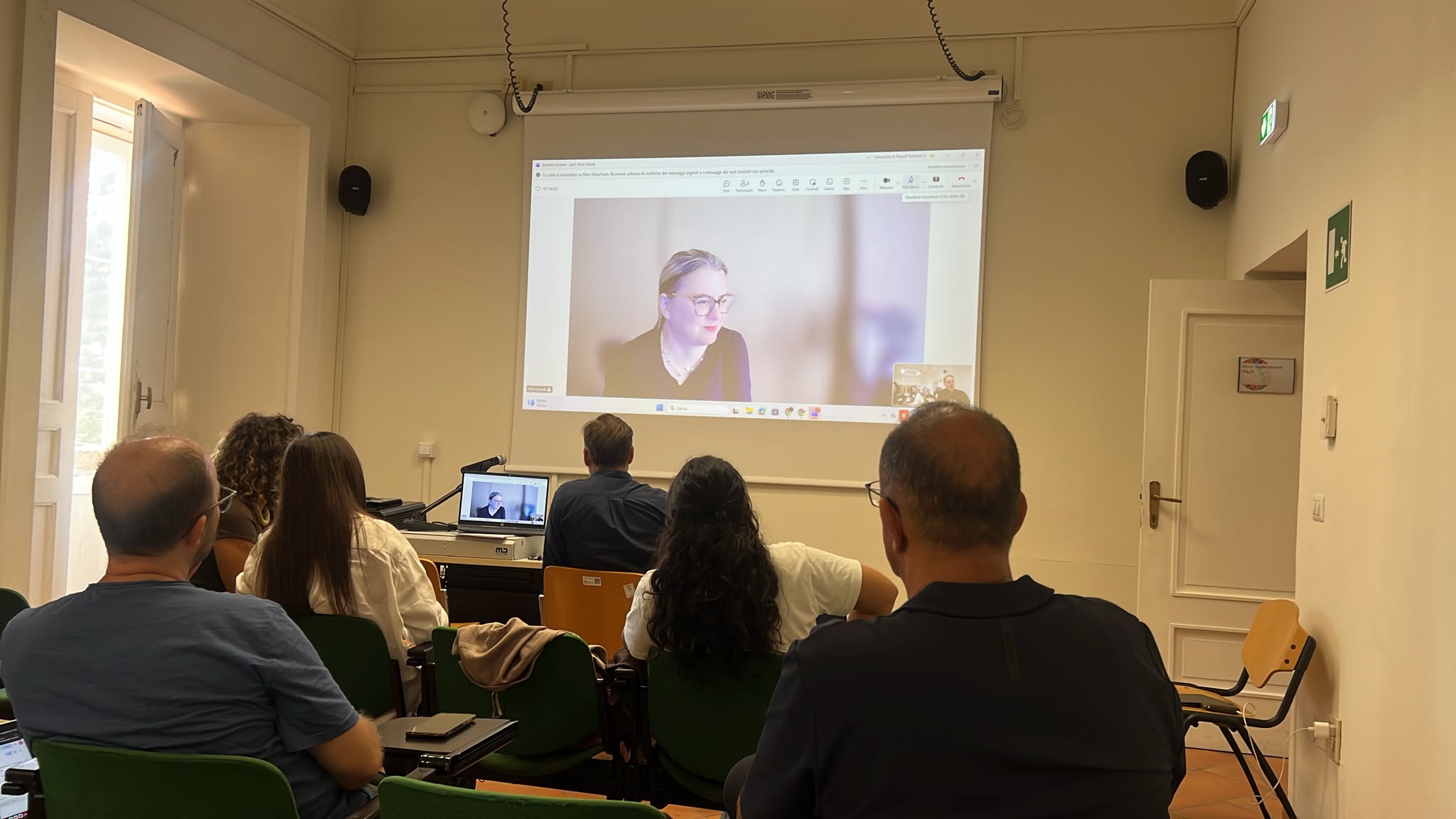
The programme also included two thematic seminars. The first, led by Prof. Silvia Grandi from the Italian Ministry of Enterprise and Made in Italy (MIMIT), focused on sustainable finance and the financing of carbon-neutral investments. The second day began with a seminar by Prof. Erkan Erdil, an econometrician from the Middle East Technical University (METU), on digitalisation and digital skills in the context of the green transition.
Discussions also covered issues of project management, the dissemination of results, their sustainability, and the potential for utilising the project’s outcomes in the future. The substantive part of the meeting concluded with the planning of activities for the next six months and the finalisation of organisational details regarding the trainer training course, which is to take place in Stockholm next year.